Column · @laneelgk853
Dental Implants Bakersfield CA for Front Tooth Restoration
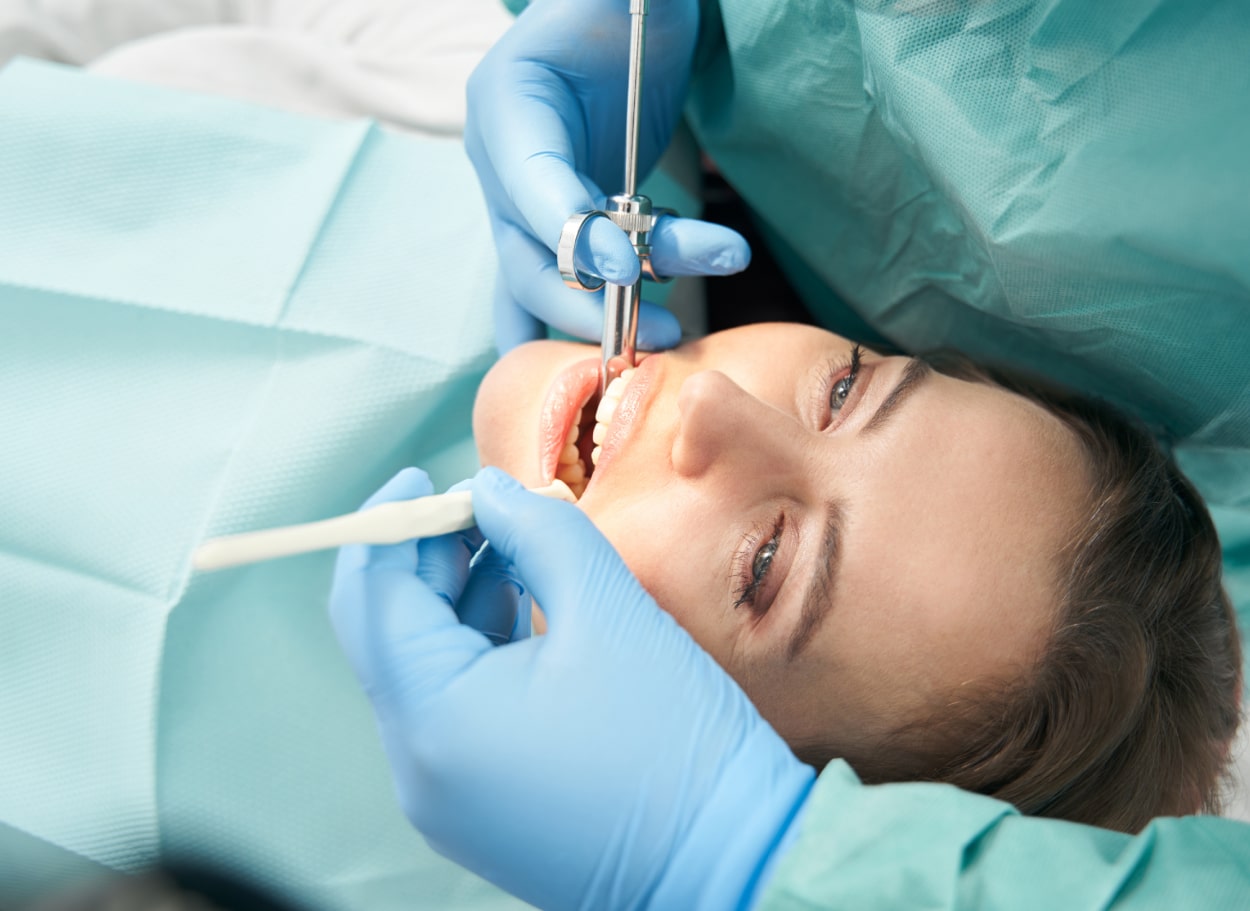
Losing a front tooth changes more than a smile. It affects speech, confidence, bite balance, and the simple habit of talking without thinking about how your mouth looks from the side. Front teeth sit in the spotlight. Even small differences in shape, gum contour, or color show immediately, which is why restoring a missing tooth in the aesthetic zone demands a different level of planning than replacing a molar.
For patients searching for Dental Implants Bakersfield CA, the front tooth is often where the stakes feel highest. People want the replacement to look natural at conversational distance, to feel stable when they bite into softer foods, and to blend with neighboring teeth and gum tissue. They also want honesty about timing, healing, and what can realistically be achieved if bone or gum loss has already started.
A well-planned dental implant can be an excellent solution for a missing front tooth, but success depends on more than placing titanium in bone. The final result is shaped by anatomy, bite forces, gum thickness, implant position, provisional restorations, and careful coordination between surgery and cosmetic design. That is where many of the important decisions happen.
Why front tooth implants require a different standard
A back tooth implant can be slightly imperfect in ways no one notices. A front tooth implant does not have that luxury. The margin where the crown meets the gum, the tiny triangle of tissue between teeth, the angle of emergence from the gums, and the symmetry with the opposite tooth all matter. Patients often assume the implant itself creates the visible tooth. In reality, what people see is the crown and the surrounding tissue architecture, both of which depend heavily on how the implant is placed.
The central challenge is that bone and gums begin to change as soon as a tooth is lost. In the front of the upper jaw, where the bone is naturally thinner, this change can happen fast enough to affect appearance within months. If the outer plate of bone resorbs and the gum collapses inward, the replacement tooth may end up looking long, flat, or shadowed near the gumline. That is why experienced implant planning for a front tooth often starts with preserving or rebuilding the site before the final crown is even discussed.
In Bakersfield, this becomes especially relevant because people often present under different circumstances. Some lose a front tooth in a sports injury or work accident and seek care immediately. Others have an old root canal tooth that fractures at the gumline. Still others live with a removable flipper for years before deciding they want something fixed. These are not the same cases, and they should not be treated as if they are.
What makes someone a good candidate
Most healthy adults can be considered for a front tooth implant, but suitability depends on local anatomy and timing as much as general health. Good candidates usually have enough bone to support an implant, stable gums, and a bite that will not overload the restoration. Non-smokers tend to heal more predictably, though a history of smoking is not always an absolute barrier. Controlled medical conditions are often manageable. Active periodontal disease, uncontrolled diabetes, and heavy parafunctional habits such as clenching require closer evaluation.
In practice, the key questions are simple. Is there enough bone in the right place? Is the gum tissue healthy and thick enough to frame a natural-looking crown? Are the neighboring teeth and bite relationships favorable? Can the patient tolerate the timeline, including any grafting or temporary phases required to get a result that looks right?
Sometimes patients are technically eligible for an implant, but not ideal candidates for an immediate final result. That distinction matters. If the bone is deficient or the smile line is high, a rushed approach may leave the person with a tooth that is present but visually disappointing. The best treatment plan is the one that respects biology first and cosmetics second, because aesthetics rarely hold up when biology is compromised.
The first conversation should be about expectations, not hardware
When people ask about Dental Implants Bakersfield CA, the conversation often starts with cost or whether the implant can be placed the same day. Those are reasonable questions, but a more useful first conversation focuses on expectations. If the missing tooth is one upper front central incisor and the patient has a broad smile that shows a lot of gum, the margin for error is very small. If the smile line is low and the adjacent teeth have existing crowns, treatment may be more forgiving.
A practical example helps. A patient who lost a front tooth from trauma at age 24 may have intact neighboring teeth and good oral health, but also a collapsed ridge from delayed treatment. Another patient at 58 may have more wear, some gum recession, and restorations on the teeth beside the gap. The younger patient might need hard and soft tissue grafting to avoid a visible depression. The older patient may need careful cosmetic blending so a new crown does not look too bright and artificial next to natural teeth that have darkened slightly over time. Same missing tooth, very different planning.
That is why advanced imaging matters. A 3D scan can reveal the thickness of the bone, the angle of the ridge, and whether the implant can be positioned where the crown needs it to be, not just where bone happens to be available. Those details determine whether treatment is straightforward or staged.
Immediate implant placement versus delayed treatment
One of the most common questions is whether the implant can go in right after the tooth is removed. Sometimes the answer is yes, especially when the surrounding bone is intact and infection is limited. Immediate placement can preserve tissue contours and shorten the overall timeline. For the right case, it is efficient and aesthetically helpful.
Still, immediate placement is not always the best route. If the socket has lost bone, if there is significant infection, or if the tooth was removed long ago and the ridge has already shrunk, delayed placement may be wiser. A period of healing or grafting can create a stronger foundation and a better visual outcome.
This is where professional judgment matters more than marketing. Immediate implants sound appealing, but front tooth restoration is not a race. A tooth that takes longer to complete and looks natural for years is a far better result than a fast procedure followed by a crown that never quite blends.
The role of bone grafting and gum grafting
Patients are often surprised to learn that the implant itself may be the simplest part of treatment. Rebuilding the site is where much of the artistry and long-term stability come from. Bone grafting may be used to fill a socket after extraction, widen a narrow ridge, or support the facial contour of the gums. Soft tissue grafting may thicken thin gum tissue or improve contour around the implant.
These procedures are not a sign that something went wrong. They are often part of getting the site ready for the kind of result patients expect in the front of the mouth. Thin tissue tends to show metal or shadow more readily and can recede over time. Thick, healthy tissue is generally more forgiving and attractive.
A common clinical reality is that the patient who says, “I just want it to look like my real tooth,” may need more site development than they first expect. That is not upselling. It is often the difference between an acceptable replacement and one that disappears naturally into the smile.
The temporary tooth matters more than most people realize
For front tooth cases, the temporary is not just a placeholder. It shapes soft tissue, protects the site, and gives both patient and clinician a chance to refine the look before the final crown is made. In some cases, a temporary crown is placed on the implant after an initial healing period. In others, a removable temporary or bonded temporary is used while the implant integrates with bone.
This provisional phase is especially useful when subtle changes are needed. A millimeter of contour can alter how the gum drapes. Slight changes in length or facial prominence can make the tooth look more youthful, more symmetrical, or less bulky. Patients often think the laboratory simply copies the tooth shape at the end. In reality, good front tooth restorations are adjusted, observed, and refined over time.
One of the most reassuring moments for patients is seeing a provisional that already looks believable. It does not mean the case is done, but it confirms the treatment is headed in the right direction.
Shade matching is part science, part observation
Color for a front tooth is rarely one flat shade. Natural incisors often have more translucency at the edge, subtle warmth near the gumline, and tiny surface texture differences that catch light in a lifelike way. If the neighboring tooth has craze lines, wear facets, or slight rotation, a perfect geometric crown can actually look less natural.
For this reason, some of the best front tooth implant restorations involve detailed communication between the dentist and laboratory. Photos in natural light, shade mapping, and custom characterization can make the difference between “nice crown” and “that looks like a real tooth.” This is one area where experience shows quickly. Patients may not know why one result looks more convincing than another, but they notice it.
That attention becomes especially important in bright outdoor light, something Bakersfield patients know well. Harsh sunlight reveals opacity, over-brightness, and unnatural value faster than indoor office lighting.
How long the process usually takes
The timeline depends on whether the tooth is already missing, whether grafting is required, and how much tissue sculpting is needed. A straightforward case with good bone may move from extraction or implant placement to final restoration in several months. A more complex case that needs ridge preservation, healing, implant placement, and tissue conditioning may take closer to nine to twelve months, sometimes longer.
That range can frustrate patients who want a quick fix, but front tooth implants reward patience. Bone integration itself often requires a few months. Soft tissue maturation takes time as well. Rushing the final crown before the tissue stabilizes can lead to visible gum changes later.
A realistic overview usually includes several phases:
- Diagnostic planning, imaging, and cosmetic evaluation.
- Extraction and site preservation or implant placement, depending on the case.
- Healing and integration, with a temporary tooth worn or adjusted during this period.
- Final impressions or digital scans once tissues are stable.
- Delivery of the definitive crown, followed by bite checks and maintenance.
That sequence may compress or expand, but it is a more honest picture than same-day promises for every patient.
Comfort, recovery, and day-to-day disruption
Most front tooth implant procedures are easier from a pain standpoint than patients expect. Soreness, pressure, and mild swelling are common. Severe pain is not. Many people return to desk work quickly, though visible swelling can make some prefer a day or two of https://www.google.com/maps/place/Smyle+Dental+Bakersfield/@35.3777576,-119.0245171,894m/data=!3m2!1e3!4b1!4m6!3m5!1s0x80ea69f31fb5e0e9:0xf2946657cb1d72f5!8m2!3d35.3777576!4d-119.0245171!16s%2Fg%2F1tdmvyhz!5m1!1e1?entry=ttu&g_ep=EgoyMDI2MTExMC4wIKXMDSoASAFQAw%3D%3D privacy after surgery. The bigger inconvenience is often dietary restriction and being careful with a temporary in the front of the mouth.
Speech can feel slightly different for a short time, especially with certain temporary designs. “F” and “V” sounds may feel off until the tongue and lips adapt. This usually settles quickly. Patients who speak publicly for work often appreciate knowing this in advance.
There is also the emotional side. A missing front tooth carries social weight. Even when a temporary is in place, people can feel self-conscious during the process. Clinicians who acknowledge that piece tend to guide patients better, because the practical burden is not just surgical, it is personal.
Choosing between an implant and the alternatives
An implant is often the most conservative long-term choice because it can replace the missing tooth without grinding down healthy adjacent teeth. Still, it is not the only option. A bridge may make sense if the teeth beside the gap already need crowns. A removable partial may be a temporary or budget-driven solution. In very select cases, orthodontic space closure is considered.
The comparison usually comes down to biology, appearance, cost over time, and what condition the surrounding teeth are in. A healthy teenager or very young adult is often not ready for an implant if facial growth is incomplete. An older adult with heavily restored neighboring teeth may get a practical benefit from a bridge if implant conditions are poor. There is no universal best option, only the best fit for the specific mouth in front of you.
Risks patients should hear plainly
Every implant discussion should include trade-offs. Front tooth implants can fail to integrate, though that is not common in healthy conditions. More often, the challenge is not total failure but an aesthetic compromise. Gum recession, black triangles between teeth, a crown that feels too long, or a mismatch in contour can all occur even when the implant is stable.
The risk goes up when the site starts with missing bone, thin tissue, smoking, or uncontrolled bite forces. That does not mean treatment should not proceed. It means the patient deserves a clear explanation of what can be improved and what may remain limited by the original defect.
Maintenance matters too. Implants do not get cavities, but the tissues around them can become inflamed. Plaque control, professional cleanings, and periodic radiographic review are part of keeping a front implant healthy. A patient who treats an implant like a one-time purchase with no follow-up is more likely to run into trouble later.
What good maintenance looks like
Once the final crown is in place, routine habits protect both the implant and the cosmetic result. Daily cleaning should be gentle but thorough, especially along the gumline. Interdental cleaning matters because the contact areas around implant crowns can trap plaque differently than natural teeth. Nightguards are often recommended for people who clench or grind, even mildly, because front crowns and ceramics can chip under repeated stress.
These practical habits do the heavy lifting:
- Brush carefully twice a day with a soft brush and non-abrasive toothpaste.
- Clean between the implant and adjacent teeth every day with the method your dental team recommends.
- Keep professional hygiene visits on schedule so inflammation is caught early.
- Wear a nightguard if you clench, grind, or have a history of chipping front teeth.
- Report any looseness, bleeding, or bite changes instead of waiting for the next checkup.
None of this is complicated, but consistency is what protects the investment.
Cost, value, and why estimates vary
Patients researching Dental Implants Bakersfield CA often notice that pricing can vary significantly between offices. That difference usually reflects more than the implant fixture alone. A front tooth case may include 3D imaging, extraction, socket preservation, bone grafting, connective tissue grafting, provisional restorations, custom abutments, premium ceramic work, and additional visits to shape the final tissue contour.
For that reason, a low initial quote may not represent the full case cost. It may exclude grafting or assume a simple scenario that does not exist once diagnostics are complete. Patients are better served by asking what is included, what might be added if anatomy requires it, and whether the temporary and final cosmetic stages are part of the estimate.
Value in this setting is not simply the cheapest route to “a tooth in the space.” It is the quality of planning, the predictability of healing, and the ability to create symmetry in one of the most visible places in the mouth.
What to ask at a consultation
A strong consultation leaves the patient with a realistic picture, not just enthusiasm. Ask whether your site has enough bone and gum tissue for a front tooth implant without aesthetic compromise. Ask what the temporary phase will look like. Ask whether grafting is likely and why. Ask to see examples of front tooth cases, because posterior implant photos do not tell you much about cosmetic judgment.
It is also worth asking who designs the final crown and how shade matching is handled. In anterior implant dentistry, lab collaboration is not a minor detail. It is part of the treatment itself.
Patients sometimes feel shy about asking whether their case is straightforward or difficult. They should not. That answer influences the whole experience, from timeline to cost to expectations.
Why local context in Bakersfield matters
Every city has its patterns, and Bakersfield is no exception. Dry climate, bright sun, outdoor work, sports injuries, and schedules that make repeated appointments difficult all shape how treatment is planned and tolerated. Patients who work in public-facing roles may prioritize the appearance of the temporary. Patients with long commutes or demanding jobs may prefer fewer surgical stages when clinically appropriate. Others are willing to take longer if it improves the final cosmetic outcome.
That is one reason a personalized treatment plan matters more than generic advertising language. The best front tooth implant cases are not built from slogans. They are built from anatomy, communication, and careful sequencing.
For someone missing a front tooth, the goal is simple to say and harder to achieve: restore the smile so it feels normal again. Done well, a dental implant can do exactly that. It can support clear speech, stable chewing, and a smile that does not ask for attention. The path there is rarely one-size-fits-all, especially in the front of the mouth, but with sound planning and patient execution, the result can be both durable and remarkably natural.
Smyle Dental Bakersfield
2016 E St, Bakersfield, CA 93301, United States
+16614939040
FAQ About Dental Implants Bakersfield CA
What is the downside of a dental implant?
The main downsides of dental implants involve high financial costs, surgical risks, a lengthy healing process, and the potential for long-term complications.
How much does a full set of implants usually cost?
A full set of dental implants (covering both the upper and lower arches) typically ranges from $6,000 to $90,000+, depending heavily on the type of treatment, materials used, and whether the teeth are fixed or removable.
Can I have all my teeth pulled and get implants?
Yes, you can have all your teeth pulled and replaced with dental implants. Instead of placing a separate implant for every single tooth (which is costly and time-consuming), dentists typically use full-arch systems.